Offers longer-lasting results that soften deep folds and sagging, ideal for significant facial ageing.
If you have noticed sagging through your midface, softening along the jawline, or the first signs of jowls, a deep plane facelift may be the right procedure to consider. Rather than tightening the skin alone, this technique works at a deeper structural level, repositioning the tissues that have descended over time. The result is a refreshed, natural appearance that still looks like you, only rested and more defined. At our clinic in Scotland, the procedure is carried out under sedation, with a steady focus on your safety, your comfort and a result that lasts.
The Deep Plane Facelift is widely regarded as one of the most advanced approaches to facial rejuvenation surgery. It is designed to address the way the face changes with time, when the deeper layers of tissue lose their support and begin to descend. As this happens, the midface flattens, the lower face loses definition, and jowls can start to form along the jawline.
What sets the deep plane technique apart is where it works. A more superficial facelift lifts the skin, but that alone cannot fully correct structural sagging. The deep plane approach releases and repositions the underlying tissue as a single unit, restoring support where it has been lost. Because the deeper structures are moved rather than simply pulled, the outcome avoids the tight, over-corrected look that concerns many people. Instead, you are left with a softer, more balanced result that preserves your natural expression.
If your concerns also extend to significant looseness in the neck, our Deep Plane Face and Neck Lift may suit you better, and we will guide you towards the right choice during your consultation.
This procedure is best understood by looking at how your face has changed rather than by age alone. You may be a suitable candidate if you have noticed:
Many people who benefit from a deep plane facelift are in their forties, fifties or sixties, but suitability depends on the structure of your face, not the number of years behind you. During your consultation, Mr Biddlestone will assess your individual anatomy and advise honestly on whether this is the right treatment for you. If a different approach would serve you better, he will tell you.
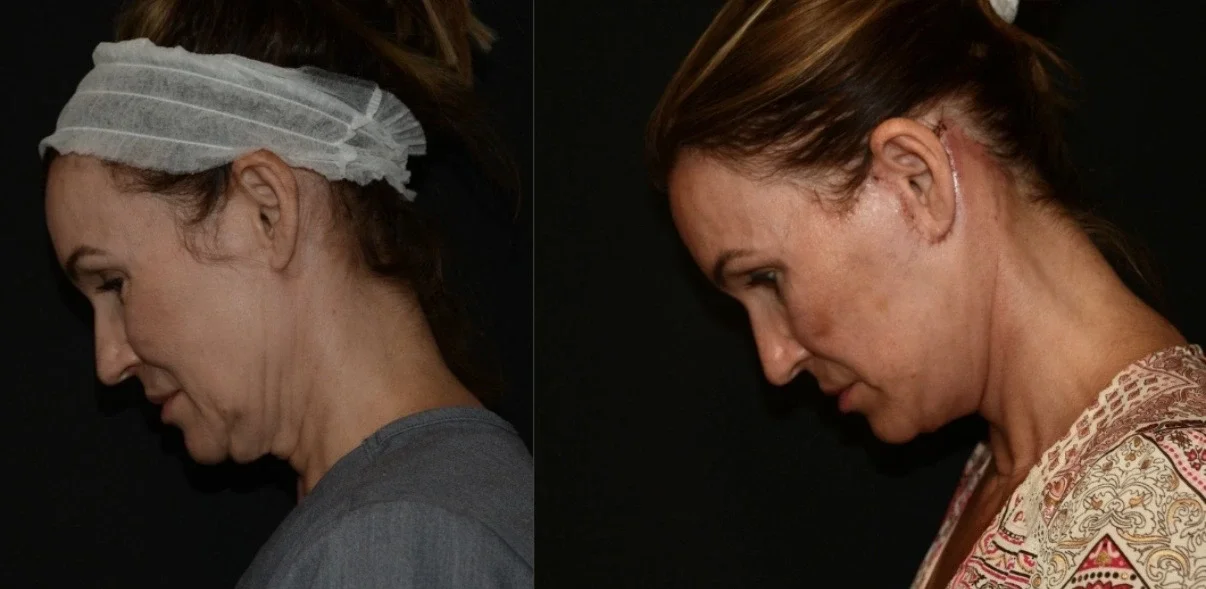
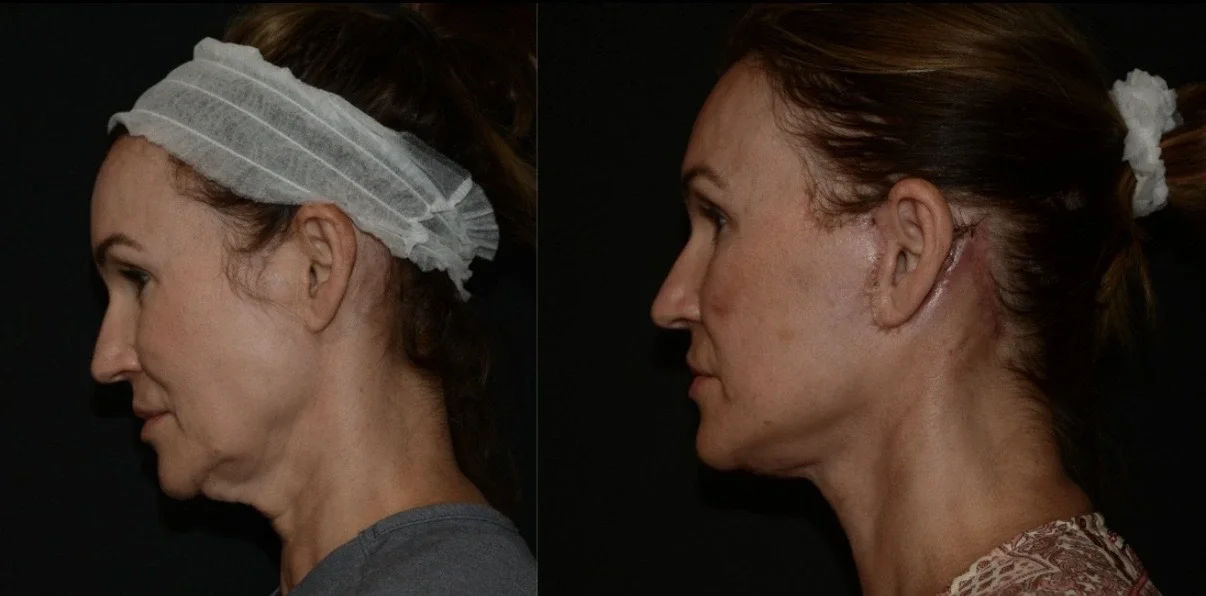
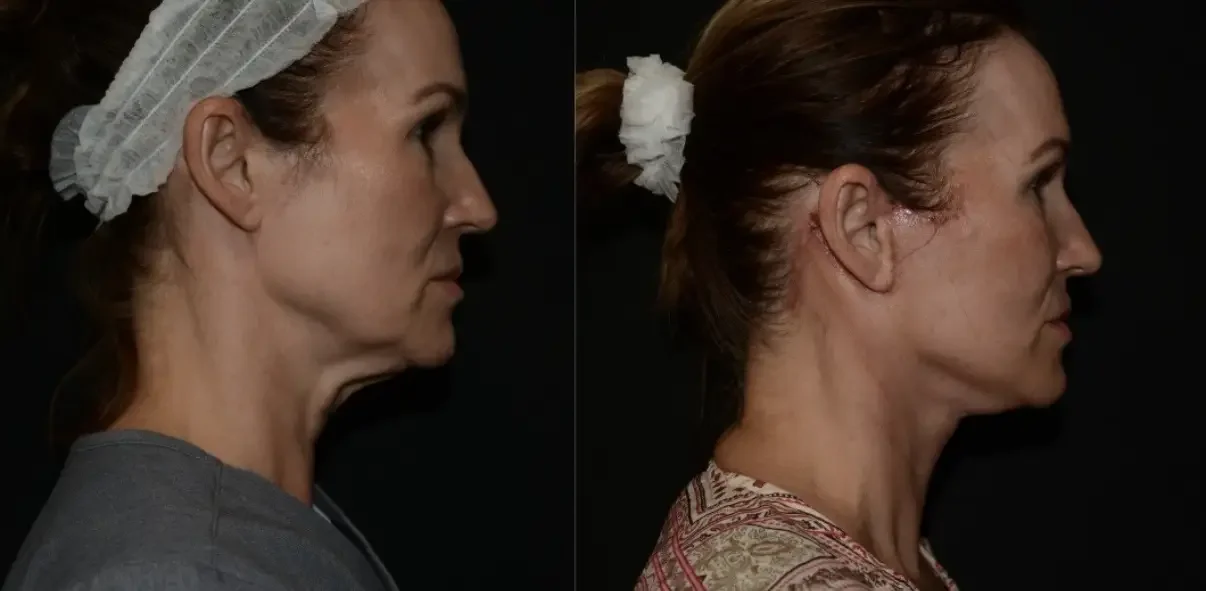
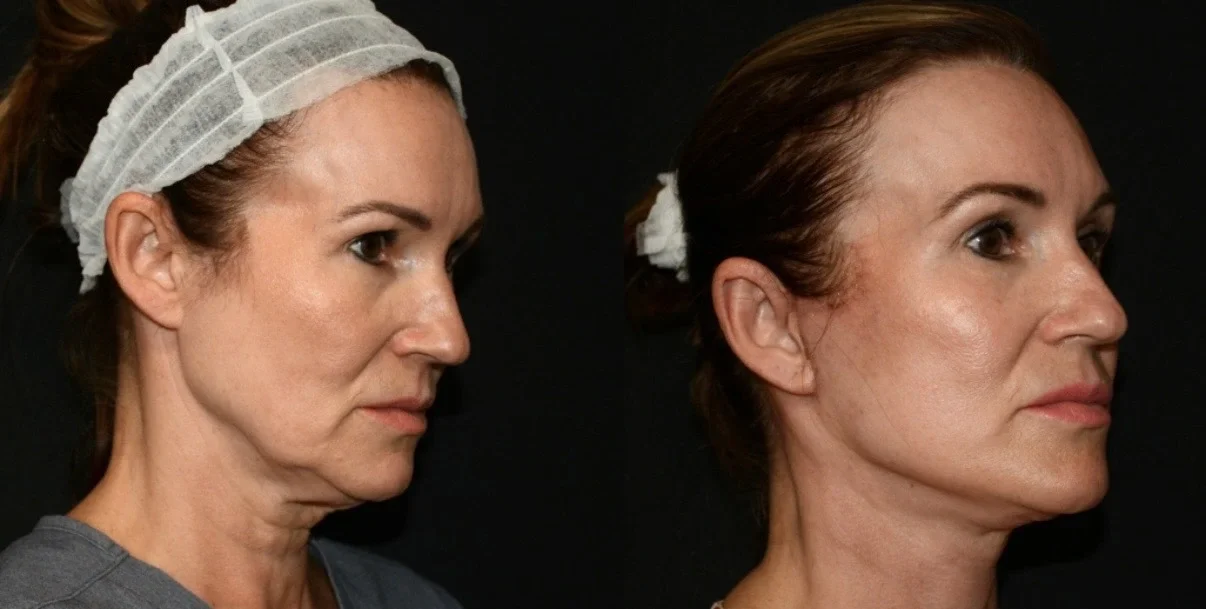
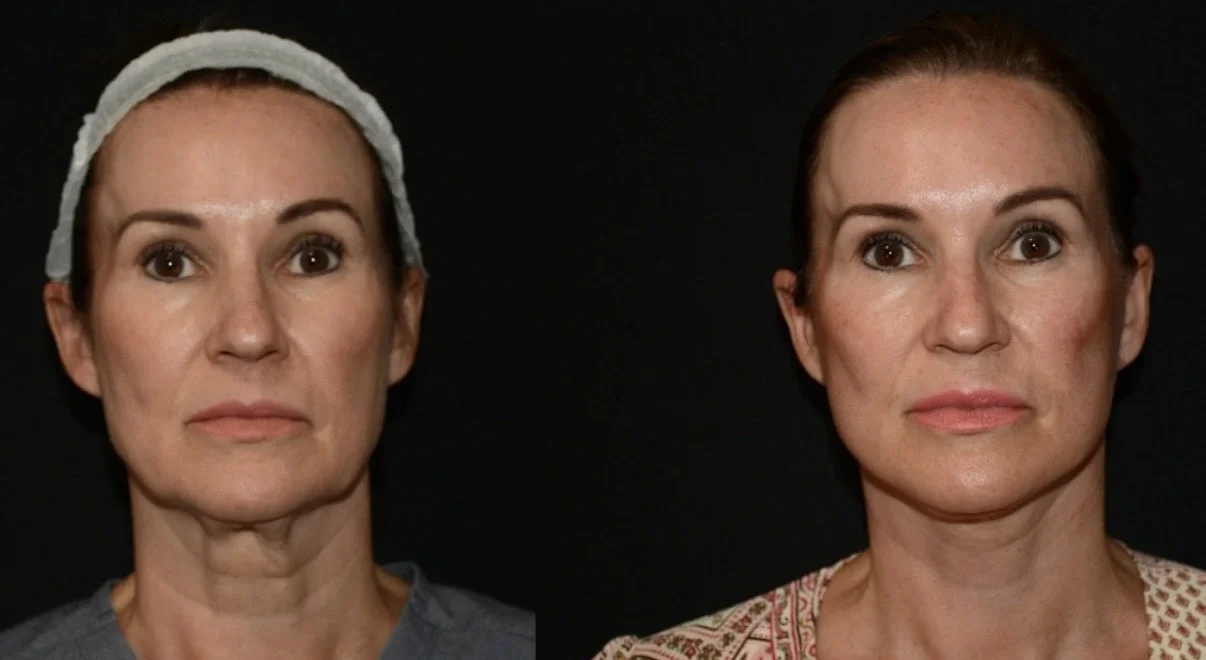
A Deep Plane Facelift is designed to deliver results that look natural and endure. When the deeper tissues are repositioned correctly, the outcome sidesteps the pulled appearance that can follow more superficial techniques.
The benefits you can expect include:
We can also support your outcome beyond the surgery itself. Our clinic offers advanced skin and scar treatments on site, delivered by experts in their field, to help optimise both your results and the appearance of any scarring as you heal. This joined-up care is one of the reasons people choose us, because your recovery and your longer-term appearance are considered as part of a single, thoughtful plan.
Honest guidance matters to us, so it helps to be clear about what a deep plane facelift can and cannot do. The procedure is most effective for structural sagging, where the deeper tissues have descended and the midface, lower face and jawline have lost definition.
It is less suited to concerns such as fine lines or volume loss, which respond better to other treatments. This is one of the real advantages of our clinic. As one of the few practices in Scotland where experts in plastic surgery and non-surgical aesthetics work together in synergy, we can advise on a complete plan and, where useful, combine treatments to address your concerns fully. Your consultation will set out clearly what results are realistic for you, so you can decide with confidence.
Recovery is a gradual process, and knowing what to expect can help you feel prepared. Most people take around two to three weeks away from work and social commitments while the initial swelling and bruising settle.
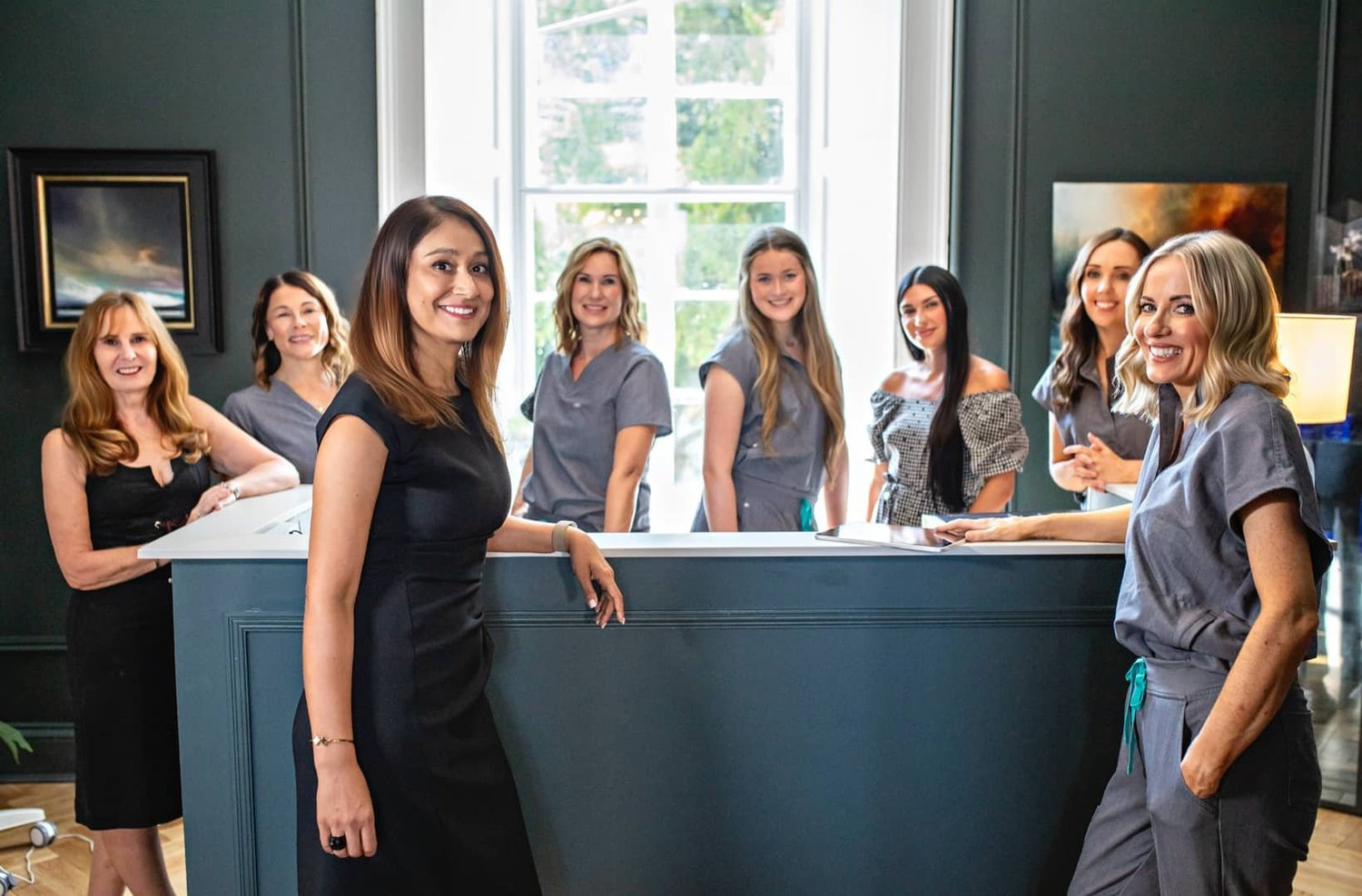
In the early days, rest is important and allows your body to heal. Over the following weeks you can slowly return to your normal activities, with more strenuous exercise reintroduced later on your surgeon’s advice. Our team is approachable and provides thorough pre and post-operative care throughout, so you are supported at every stage and never left with unanswered questions. If anything concerns you as you heal, we are only a phone call away.
Choosing where and with whom to have surgery is one of the most important decisions you will make for your health, confidence and wellbeing. Our doctor-led clinic offers the expertise and care you deserve.
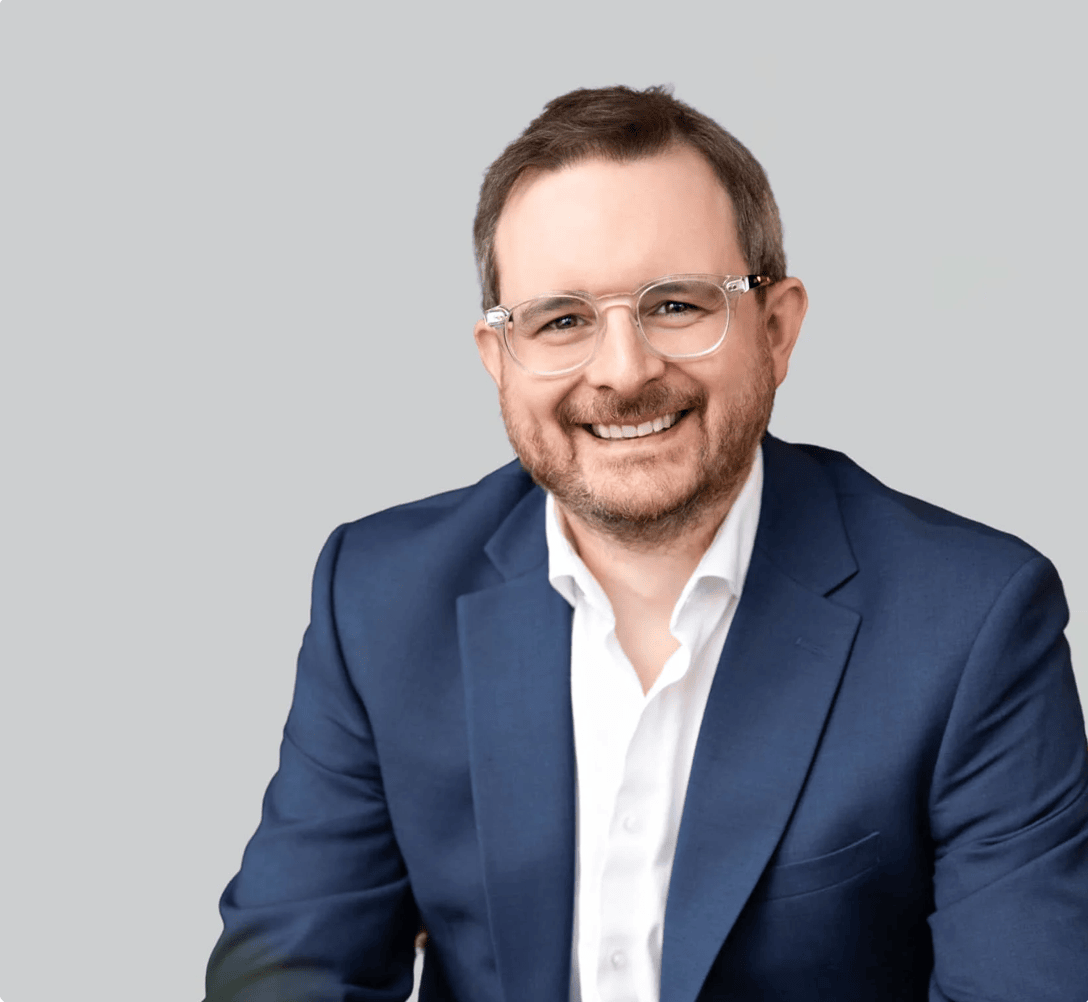
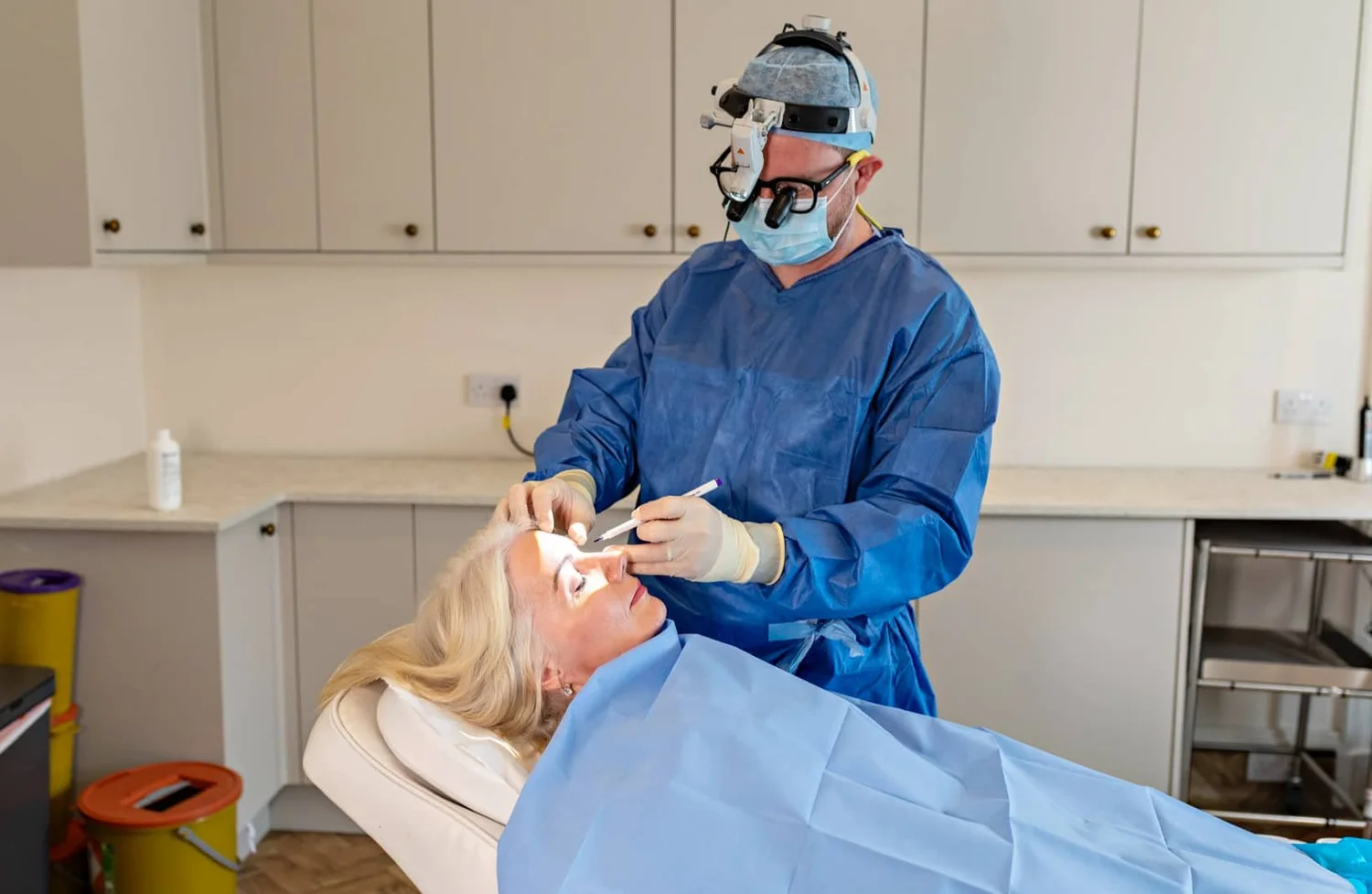
At FrownDocs, surgical skill is matched by a calm, considered approach to care. Mr John Biddlestone is a Consultant Plastic Surgeon specialising in head and neck surgery, with around 80 percent of his work focused on this area. That level of focus matters in facial surgery, where a detailed understanding of anatomy supports careful planning, precise technique and a strong emphasis on safety. He trained at the University of Cambridge, completed his PhD at the University of Dundee, and has undertaken advanced fellowships in microsurgery and facial reanimation.
Patients value not only his experience, but the way he cares for them. Mr Biddlestone is known for listening carefully, explaining options clearly and giving honest advice without pressure, so you feel informed and supported at every stage of your treatment. He consults and operates at our Stirling clinic and works closely with fellow surgeons in Glasgow on complex cases, a collaborative approach that further strengthens the care we provide.
We are also proud to be one of the few clinics in Scotland where plastic surgery and non-surgical aesthetics expertise sit side by side. This means you receive joined-up care under one roof, from your first facelift consultation in Scotland through to your recovery and beyond, with the option to enhance and protect your results using our skin and scar treatments on site.
If you are considering a deep plane facelift, the next step is a private, relaxed consultation. This is your opportunity to discuss your concerns, ask questions and understand your options with no pressure to proceed.
We believe surgery should never be sold. You will be given the time and space to make a decision that feels right for you, and our team is always happy to offer guidance along the way.
The SMAS (Superficial Musculoaponeurotic System) layer is released and repositioned deep beneath the skin, correcting sagging through the midface, lower face and jawline for a smooth, natural outcome.
Ideal for clients whose main concern is facial descent, softening jawline definition and jowls, and who want a long-lasting solution focused on the face.
Recovery typically takes around two to three weeks. Bruising and swelling settle gradually over this period with attentive aftercare throughout.
In experienced hands, a deep plane facelift is a highly effective and safe procedure, delivering consistent, refined results.






No. We do not currently perform any procedures under general anaesthetic. Your deep plane facelift is carried out under sedation only. This approach is well tolerated, keeps you comfortable throughout, and avoids many of the risks associated with general anaesthesia. Your surgeon and team will explain exactly what to expect beforehand.
A deep plane facelift focuses on the midface, lower face and jawline. If you also have significant looseness in the neck, a combined deep plane face and neck lift may be more appropriate. Mr Biddlestone will assess your anatomy at your consultation and recommend the option best suited to your concerns.
Incisions are carefully placed to sit within natural creases and along the hairline, where they are well concealed. To support your healing, we also offer skin and scar treatments on site, delivered by experts in their field, to help refine the appearance of scarring over time.
Most people take around two to three weeks away from work and social life. Swelling and bruising settle gradually over this period, and you return to normal activities in stages. Your surgeon will guide you on when it is safe to resume exercise, and our team will support you with attentive aftercare throughout.
A deep plane facelift provides long-lasting rejuvenation because it repositions the deeper structural tissues rather than tightening the skin alone. Your face will continue to age naturally over time, but the improvement to your midface and jawline definition is designed to be enduring.
Yes. As one of the few clinics in Scotland with plastic surgery and non-surgical aesthetics expertise working together, we can pair your facelift with treatments such as Morpheus8, Fraxel or Lumecca to refine skin quality and address concerns like fine lines or texture. Your surgeon will advise on the best plan for you.
Your procedure will be carried out by Mr Biddlestone, a Consultant Plastic Surgeon who specialises in head and neck surgery. He trained at the University of Cambridge, completed his PhD at the University of Dundee, and holds advanced fellowships in microsurgery and facial reanimation. He is known for his careful, considered approach and for making sure patients feel informed and reassured at every stage.
A deep plane facelift starts from £9500. Your exact cost will depend on your individual assessment, and this will be discussed openly with you during your consultation so you have full clarity before making any decision.